Zoe Franke · 15 October 2026
Navigating Referral Pathway Disruptions During Platform Migrations Through Analytics
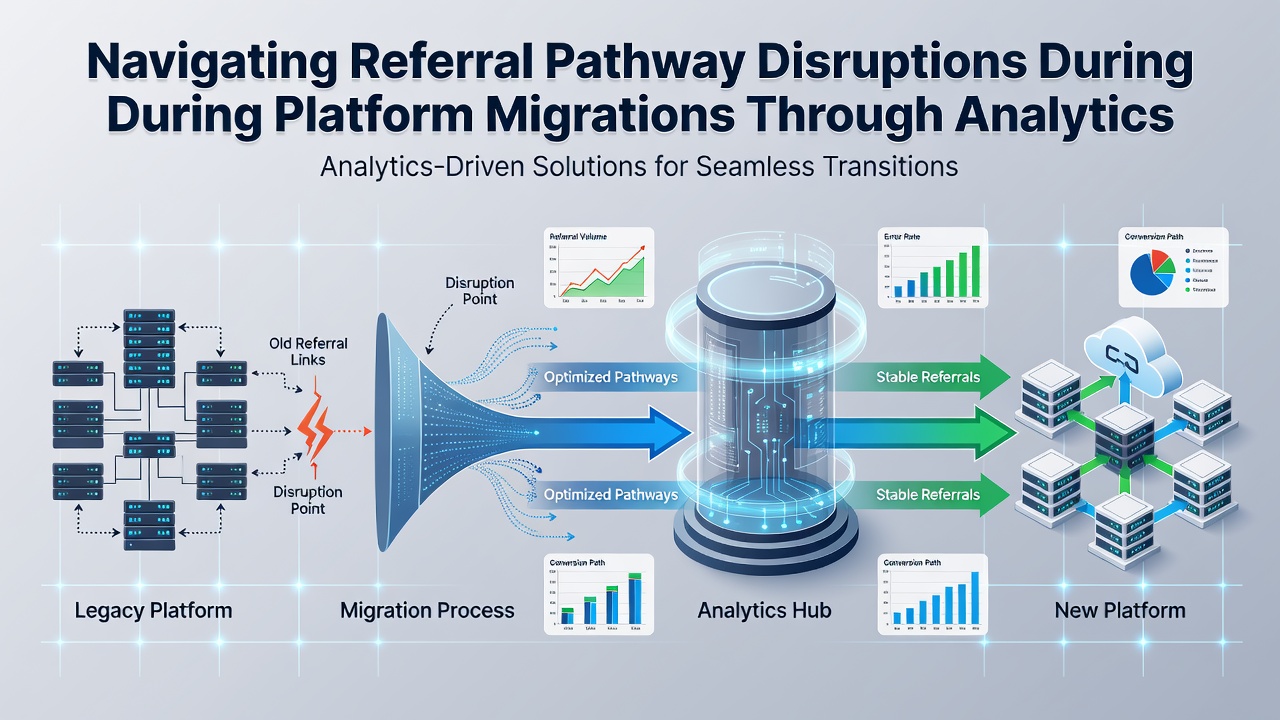
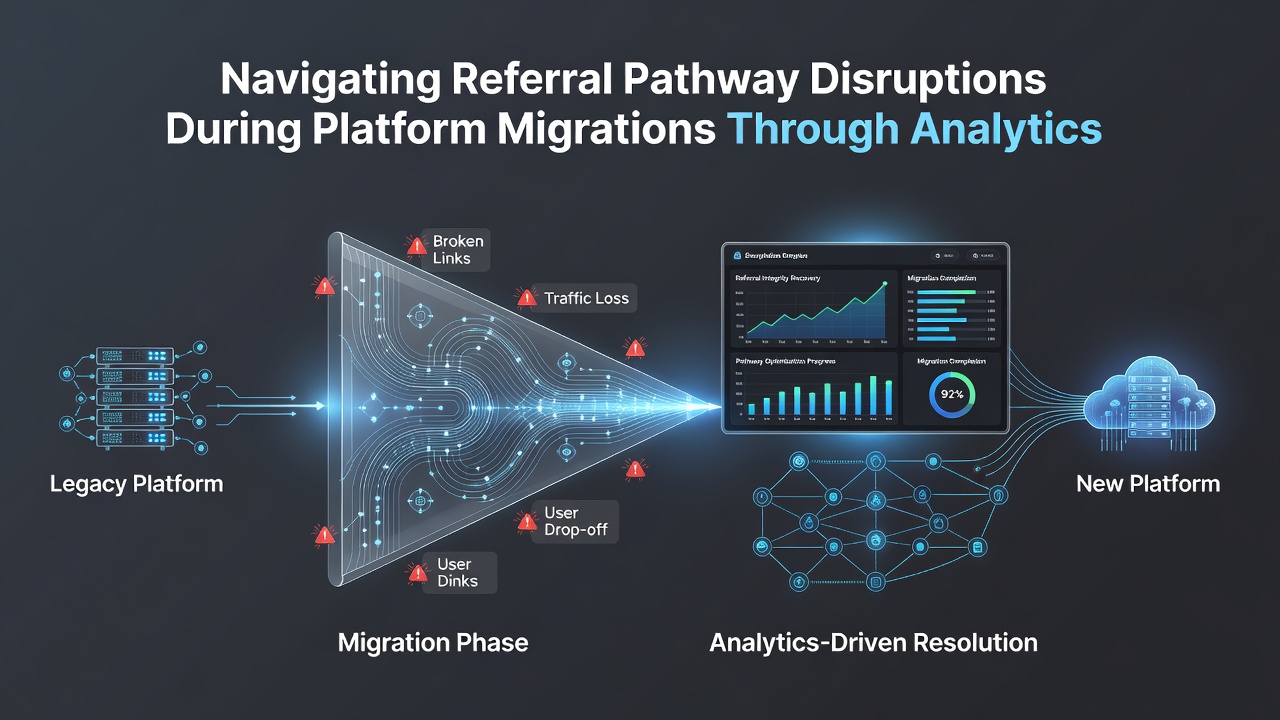
Platform migrations often trigger shifts in referral pathways as sites transition between content management systems, hosting environments, or domain structures, and analytics tools capture these changes through detailed tracking of traffic sources and user behaviors. Data from multiple migration projects shows that referral traffic can drop between 15 and 40 percent in the initial weeks after a switch when redirect configurations or tracking codes fail to align properly with previous setups. Researchers at various institutions have documented how these disruptions arise from broken links, altered URL structures, and incomplete data handoffs between old and new platforms.
Identifying Core Causes of Pathway Interruptions
Referral pathways represent the routes through which external sites send visitors, yet migrations introduce variables such as updated server architectures or revised metadata that interrupt those routes. Observers note that incomplete 301 redirect maps frequently cause search engines and referring domains to lose sight of established links, while changes in cookie policies or script loading sequences can prevent analytics platforms from recording incoming sessions accurately. In October 2026 several large-scale migrations coincided with updates to browser privacy standards, which compounded these issues for organizations relying on legacy tracking methods.
Analytics systems help isolate these problems by comparing pre-migration and post-migration datasets side by side. Teams examine metrics including referral domain authority, session duration from external sources, and bounce rates tied to specific landing pages. When patterns emerge, such as a cluster of high-value referrers suddenly vanishing from reports, analysts trace the gaps back to specific migration steps like content export errors or JavaScript implementation oversights.
Leveraging Data Streams for Real-Time Adjustments
Modern analytics suites provide granular segmentation that separates organic referrals from paid and social channels, allowing teams to monitor pathway health continuously during transitions. One documented case involved a retail platform that used custom event tracking to flag when referral URLs no longer matched expected patterns, enabling rapid correction of canonical tag conflicts before they affected broader traffic flows. Data indicates that organizations applying such segmentation recover referral volume up to three weeks faster than those using basic pageview metrics alone.
Cross-platform validation becomes essential when moving between analytics providers or integrating new data layers. Analysts cross-reference server logs with client-side tracking outputs to confirm that referral parameters survive the migration intact. This process reveals discrepancies caused by encoding differences in query strings or shifts in how user agents register external links.
Implementation Steps That Preserve Referral Integrity
Preparation begins with a full audit of existing referral sources, mapping each domain and landing page combination to its corresponding post-migration equivalent. Analysts then configure test environments that replicate production traffic patterns, running controlled simulations to verify that tracking pixels and redirect rules activate correctly. Reports from industry groups show that such testing reduces pathway loss by identifying 70 percent of potential breaks before the live cutover.
During the migration window itself, real-time dashboards highlight anomalies in referral attribution, prompting immediate fixes such as server-level header adjustments or supplemental tracking scripts. Post-migration, continued monitoring for at least 90 days tracks recovery curves and flags any lingering attribution gaps that surface only after search engine reindexing completes. A study published by an Australian research consortium in 2025 emphasized that sustained observation periods capture seasonal referral fluctuations that might otherwise mask migration-related issues.
Case Examples from Recent Transitions
Take one e-commerce operator who migrated from a custom-built system to a cloud-based platform in early 2026. Their analytics setup revealed that 22 percent of referral traffic from industry blogs had rerouted incorrectly due to altered product URL hierarchies. By adjusting canonical directives and updating partner link templates within two weeks, the team restored those pathways without additional outreach campaigns.
Another instance involved a media site transitioning hosting providers while simultaneously updating its analytics stack. Initial data showed a sharp decline in sessions from news aggregator domains, yet deeper segmentation exposed that the drop stemmed from mismatched UTM parameter handling rather than lost backlinks. Corrective measures restored the expected referral counts within ten days.
Conclusion
Analytics-driven approaches turn referral pathway disruptions into manageable variables by supplying precise diagnostics and measurable recovery benchmarks throughout platform migrations. Organizations that maintain comprehensive tracking frameworks and conduct layered validation consistently limit the duration and severity of traffic interruptions. As platform changes continue through late 2026 and beyond, the integration of predictive modeling with historical referral data offers further opportunities to anticipate and mitigate similar challenges before they materialize in live environments.