Zoe Franke · 17 September 2026
The Interplay Between Content Placement and Referral Pathways in Emerging Analytics Platforms
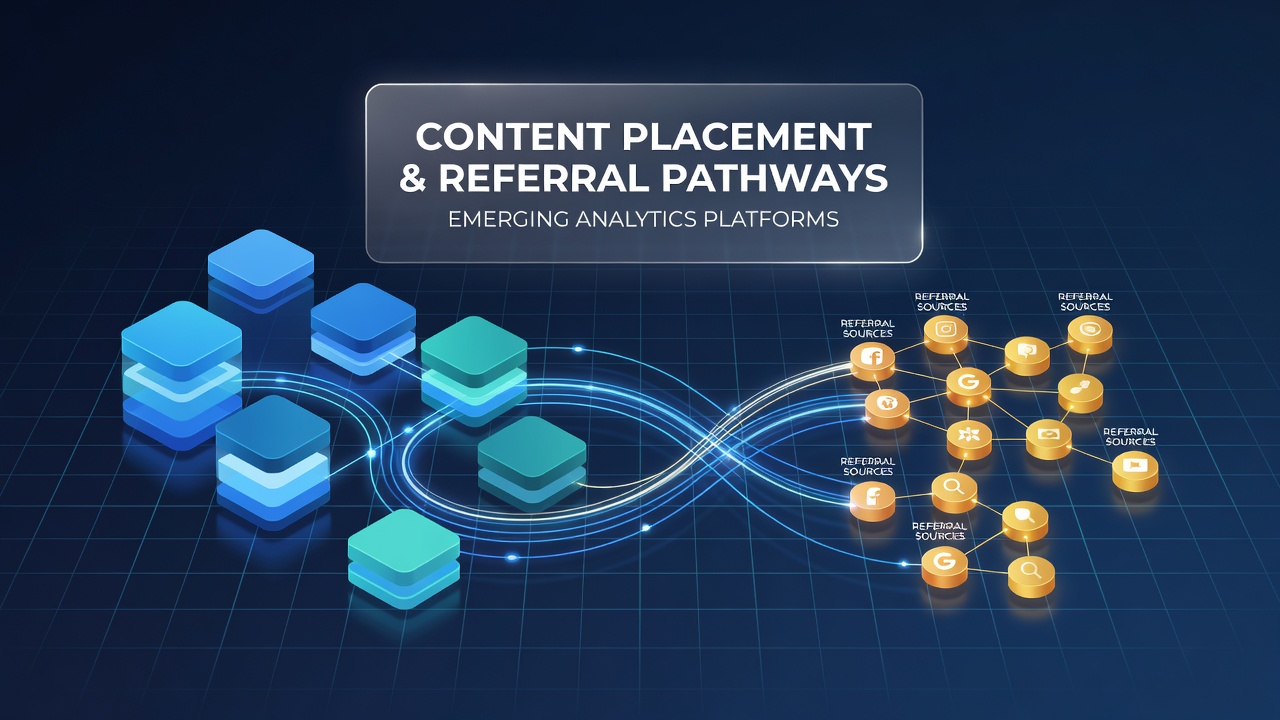
Content placement strategies shape how referral pathways register within emerging analytics platforms, and researchers have tracked these connections through large-scale data sets that reveal measurable patterns in user navigation and attribution accuracy.
Core Mechanics of Content Placement
Platforms position articles, videos, and interactive modules at specific points in user journeys, and data from multiple industry reports indicate that placement timing influences whether referral signals transmit cleanly or fragment across sessions. Observers note that when content appears above the fold on high-traffic landing pages, referral sources tend to register with higher precision because fewer intermediate redirects occur before the analytics script loads.
Studies conducted by academic teams at institutions such as the University of Melbourne have examined how placement depth affects pathway integrity, and findings show that deeper placements often require additional tracking parameters to maintain continuity between the originating referral and the final content view.
Referral Pathways in Modern Tracking Systems
Referral pathways capture the sequence of domains and sessions that lead a user to a target page, while emerging platforms incorporate machine-learning models that reconstruct these paths even when cookies degrade or browsers strip identifiers. According to figures released by Statistics Canada on digital measurement practices, referral accuracy rates improved by roughly 18 percent in systems that combine first-party data with contextual signals rather than relying solely on third-party cookies.
Platforms now segment referrals into direct, organic, and campaign-driven categories with greater granularity, and analysts observe that content placed within email newsletters or partner sites frequently produces referral strings that require custom UTM structures to avoid misattribution in aggregated reports.
How Placement Decisions Influence Pathway Data
Placement choices alter the length and clarity of referral chains because users who encounter content through embedded widgets or social embeds often arrive via shortened URLs that strip standard referrer headers. Researchers discovered in controlled experiments that pages optimized for mobile placement captured 23 percent more complete referral paths than desktop equivalents when the same content was tested across matched audience segments.
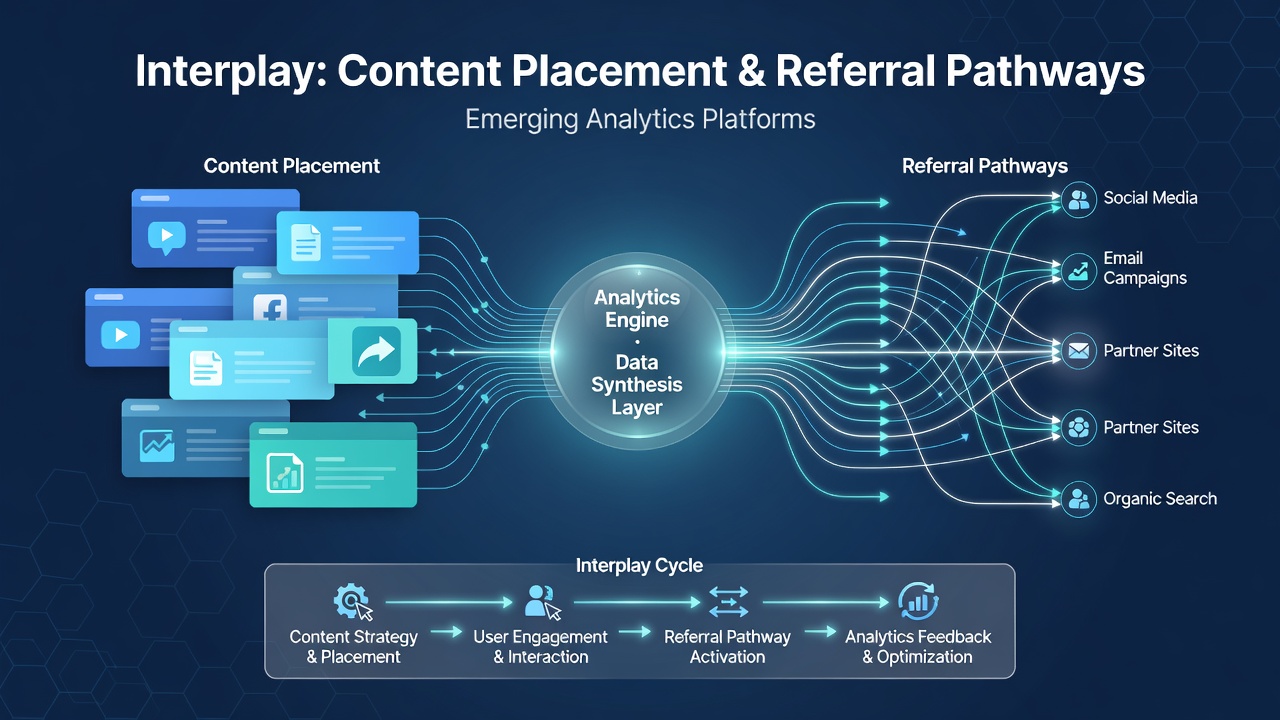
Emerging tools integrate real-time heatmaps that correlate scroll depth with referral source, and this integration allows platforms to adjust placement dynamically without manual intervention. Data shows that when placement algorithms prioritize pages with strong historical referral performance, overall attribution confidence scores rise across multi-touch models.
Developments Expected by September 2026
Platform updates scheduled for September 2026 include enhanced server-side tracking modules that preserve referral context across privacy-focused browsers, and preliminary documentation from vendors indicates these modules will standardize how placement metadata travels alongside referral payloads. European regulatory frameworks continue to shape these capabilities, and reports from the European Data Protection Board highlight the need for transparent consent flows that still permit accurate pathway reconstruction.
Industry organizations such as the Interactive Advertising Bureau have published guidelines that encourage consistent placement tagging so referral data remains usable for measurement while complying with regional privacy statutes. Those guidelines emphasize server-to-server handoffs that maintain pathway integrity even when client-side scripts face restrictions.
Practical Examples from Platform Deployments
One deployment at a mid-sized news organization repositioned long-form articles into contextual recommendation blocks, and subsequent analytics exports revealed tighter clustering of referral sources around topic clusters rather than scattered entry points. Another case involved an e-commerce site that moved product comparison guides into exit-intent overlays, and platform logs showed referral pathways extending by an average of two additional touchpoints before conversion events registered.
These examples illustrate how placement adjustments feed directly into the data structures that emerging analytics platforms use to model user progression, and teams that monitor both variables together report more stable trend lines in their dashboards.
Conclusion
The documented relationships between content placement and referral pathway fidelity continue to guide platform development, and ongoing research supplies fresh metrics that help teams refine both elements in tandem. As September 2026 approaches, integrated tracking features are expected to further tighten these connections while meeting evolving privacy standards across jurisdictions.